Call us now :08045479417
 Send Inquiry
 Send Inquiry
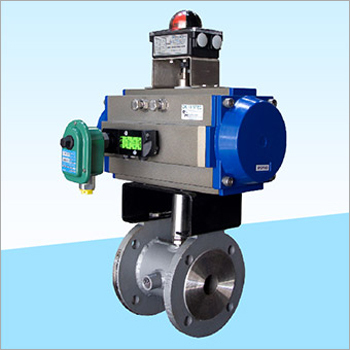
Automated Lined Ball Valve
MOQ : 1 Piece
Automated Lined Ball Valve Specification
- Pressure
- 150# to 300#
- Structure
- Two Piece / Three Piece
- Caliber
- Full Bore
- Connection
- Flanged
- Channels
- Single / Double
- Material
- PTFE / FEP / PFA Lined Cast Iron, Stainless Steel
- Power
- Electric / Pneumatic
- Media
- Corrosive Fluids, Chemicals
- Temperature of Media
- Up to 180C
- Port Size
- 15mm to 200mm
- Flange
- ANSI / DIN / JIS standard
- Finish
- Epoxy Coated / Painted / Polished
- Application
- Chemical, Pharmaceutical, Petrochemical Industries
About Automated Lined Ball Valve
By following ethical values of business since our foundation years, we are affianced in manufacturing and supplying a superior range of Automated Lined Ball Valves. Offered valves are manufactured with high precision under the proper direction of our team of experts by making use of high quality raw materials and advanced machinery in accordance with the latest industry norms. Provided valves are used in agro, pharmaceutical, chemical process, paper & pulp and other allied industries. Additionally, these Automated Lined Ball Valves are available at rock bottom prices.
Automated Lined Ball Valve Advantages:
- Corrosion resistance
- High strength
- Accurate dimension
- Rugged design
Superior Chemical Resistance
Thanks to their PTFE, FEP, or PFA linings and stainless steel construction, these automated ball valves deliver outstanding protection against corrosive fluids. This makes them ideal for demanding applications in chemical and pharmaceutical sectors, ensuring long-term durability and reduced maintenance.
Versatile Automation & Control
Choose between electric and pneumatic actuators for seamless integration into automated process lines. The valves offer both on/off and modulating control, allowing precise regulation of flow and facilitating remote operation to optimize system performance.
Global Standards Compliance
Manufactured to ASME, DIN, and JIS specifications, our valves feature flanged end connections and bubble-tight Class VI shutoff. Testing adheres to API 598 and EN12266 standards, guaranteeing reliability, leak prevention, and utmost safety in diverse industrial settings.
FAQs of Automated Lined Ball Valve:
Q: How does the automated lined ball valve handle highly corrosive media?
A: The valve features a durable lining of PTFE, FEP, or PFA along with stainless steel (SS 304/316) or cast iron body options, providing exceptional resistance to highly aggressive chemicals typical in industrial environments.Q: What are the main benefits of using a full port, unrestricted flow design?
A: A full port design allows maximum flow without constriction, minimizing pressure drop and ensuring process efficiency, making it suited for high-demand applications in the chemical and pharmaceutical industries.Q: When should I choose a quarter-turn electric or pneumatic actuator?
A: Use electric actuators when you require precise control and integration with automation systems; pneumatic actuators are preferred for faster operation or environments where electrical devices may be restricted.Q: Where can these automated lined ball valves be installed?
A: These valves are suitable for installation in chemical, pharmaceutical, and petrochemical plants where handling corrosive fluids and ensuring leak-tight operations are critical to safety and productivity.Q: What is the process for manual override operation?
A: A manual override handle enables users to operate the valve manually in case of a power or actuator failure, ensuring consistent flow control during maintenance or emergency situations.Q: How is leakage prevented with Class VI shutoff?
A: The valves utilize precision-machined seats made from PTFE, FEP, or PFA, enabling bubble-tight sealing as per Class VI standards. This prevents fluid leakage and ensures process integrity under demanding conditions.Q: What standards and certifications do these valves meet?
A: Our automated lined ball valves conform to international standards including ASME B16.5, DIN, JIS for flanges, ISO 5211 for actuator mounting, and undergo rigorous testing according to API 598 and EN12266 to ensure safety and reliability.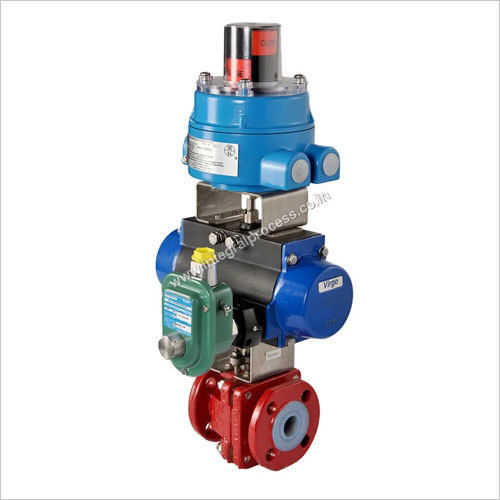
Tell us about your requirement

Price:
Quantity
Select Unit
- 50
- 100
- 200
- 250
- 500
- 1000+
Additional detail
Mobile number
Email

More Products in Ball Valves Category
3 Way Ball Valve
Minimum Order Quantity : 1 Unit
Material : Other, Stainless Steel / Carbon Steel / Brass / PVC
Power : Manual / Pneumatic / Electric
Port Size : 1/2 inch to 8 inch
Pressure : Other, PN16 / PN25 / 150LB / 300LB
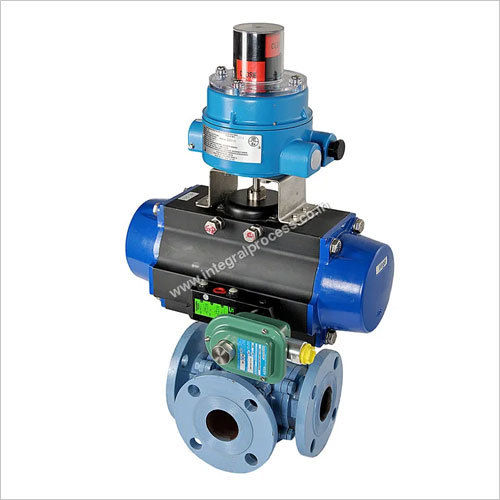
Multi Port Ball Valve
Price 10000 INR
Minimum Order Quantity : 1 Piece
Material : Stainless Steel
Power : Manual
Port Size : 1/2 to 6
Pressure : Other, 150 PSI to 1000 PSI

 Send Inquiry


Our Products

Plot no. W-55, S-Block, MIDC, Bhosari,Pune - 411026, Maharashtra, India

Mr Venkatesh D Tammannavar
(Director)
Mobile :08045479417
 Send Inquiry
 Send SMS
Developed and Managed by Infocom Network Private Limited.
